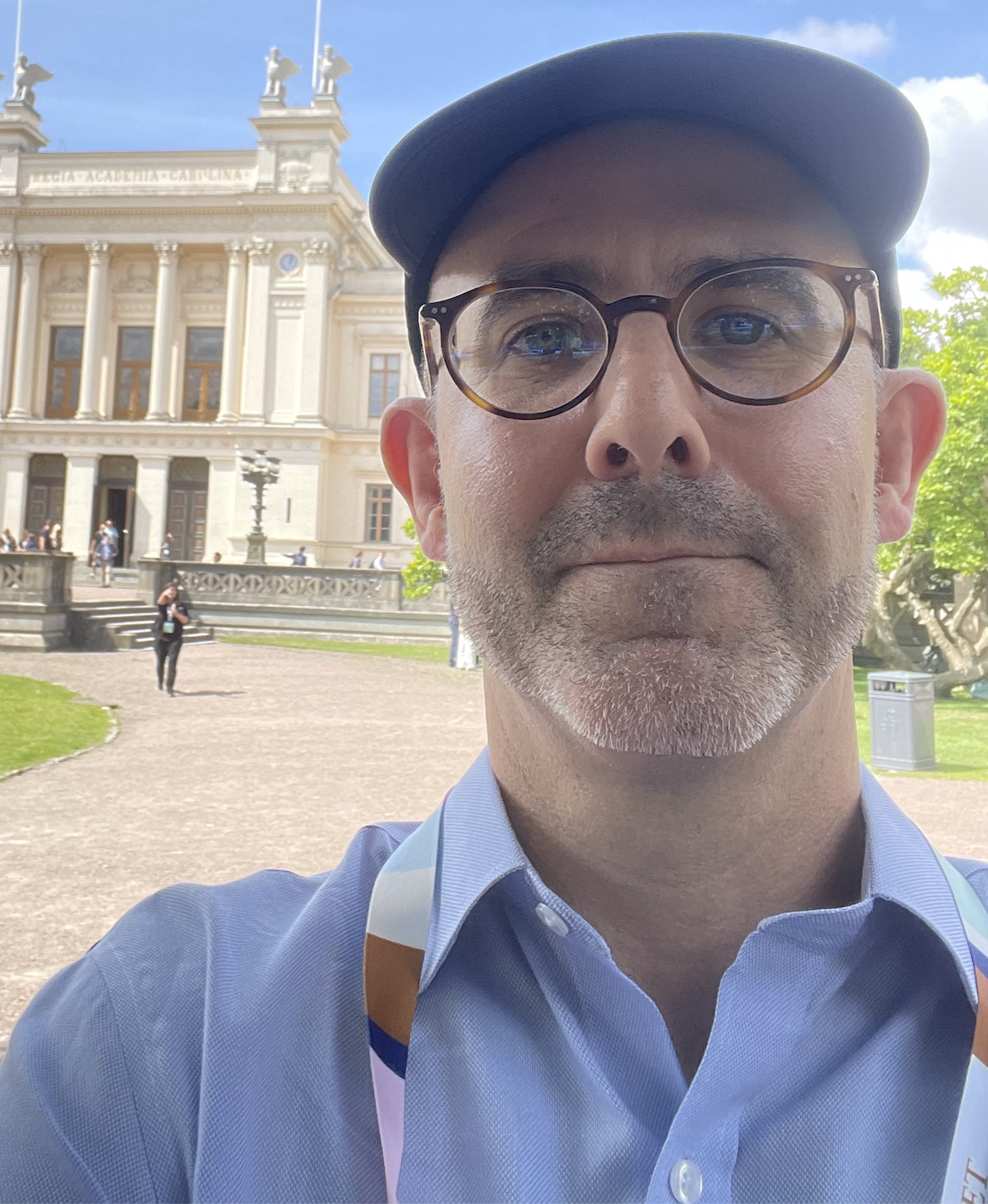
I'm a Professor in the Economics Department at George Mason University.
My research interests include:
- The historical origins of modern liberal institutions and religious freedom. You can purchase my book (written with Mark Koyama) here: Persecution & Toleration: The Long Road to Religious Freedom. Here's a piece I wrote on why the cover of the book is cool: "Paintings, Persecutions, and Political Development".
- State capacity and long-run economic development.
- How historical shocks—epidemics, violence, and the spread of technology—leave lasting legacies for trust, institutions, and growth. There are interactive companions to my papers on the Great Revolt, pandemics and cities, land redistribution and the Coase theorem, tax farming and state capacity, school choice and religiosity in France, the market for ideas, craft guilds, the Black Death and the printing press, and how information markets respond to a crisis.
- Applied econometrics with an emphasis on spatial and text-as-data methods.
Interactive Companions
Each companion walks through one of my papers with figures you can move.
 The Great Revolt and vaccine hesitancy
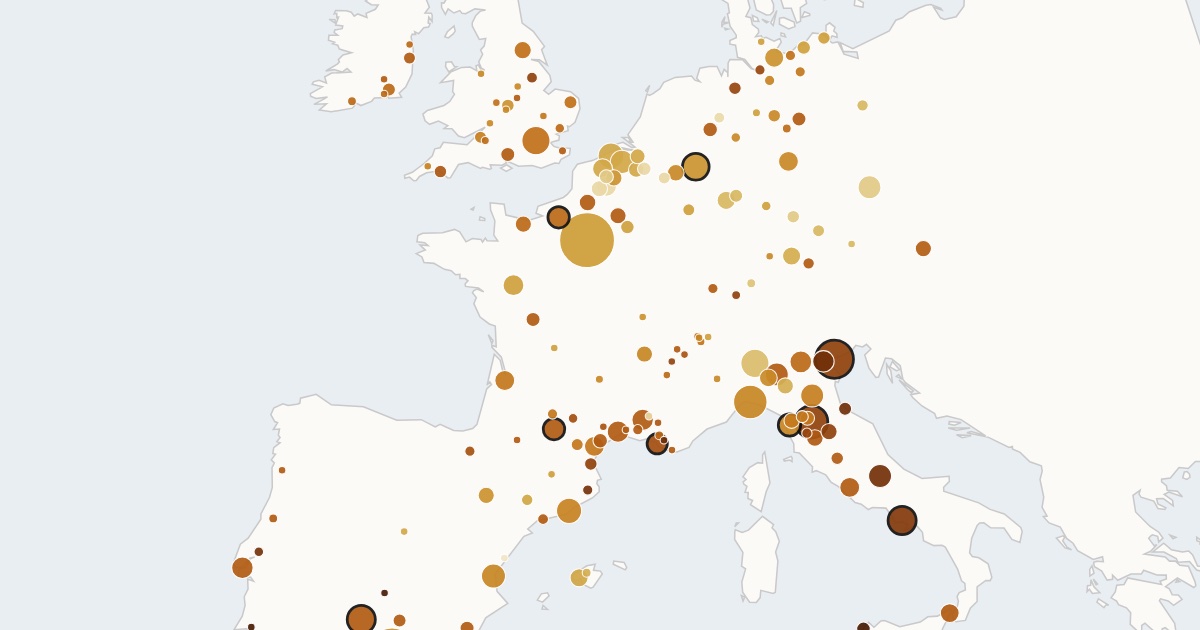 Pandemics and cities
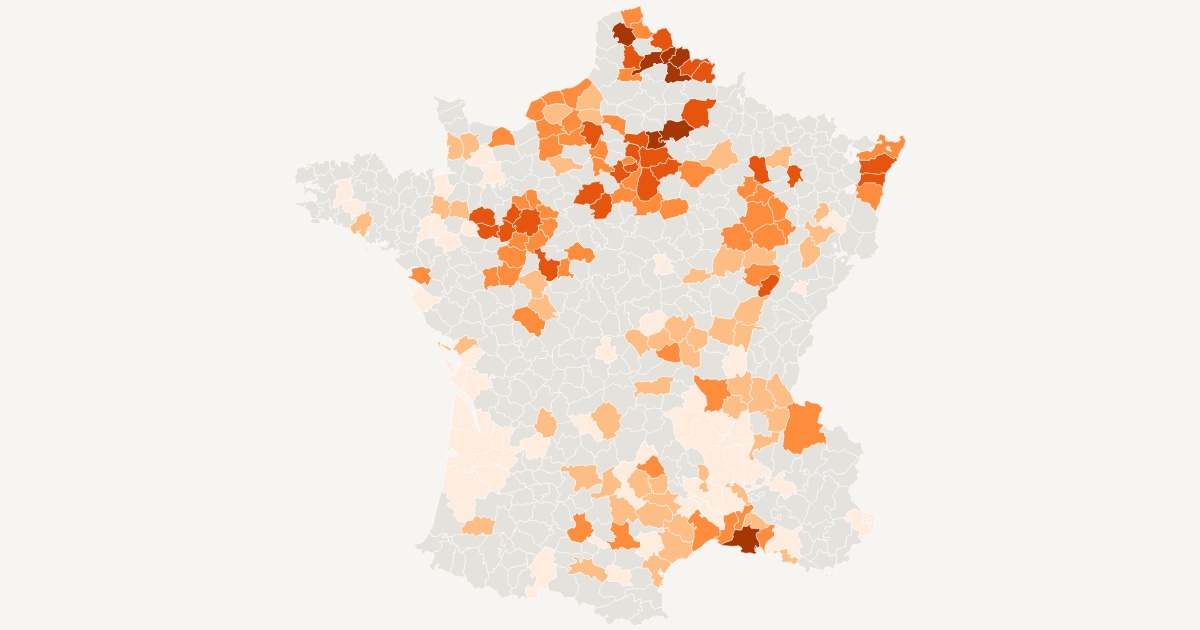 Land redistribution and the Coase theorem
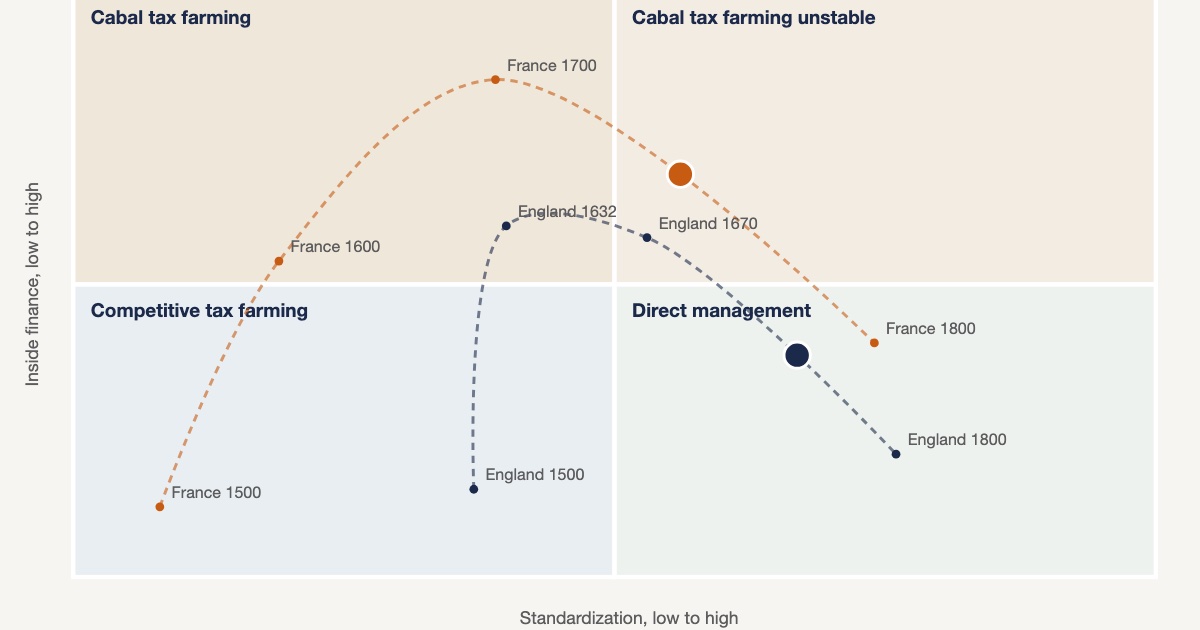 Tax farming and state capacity
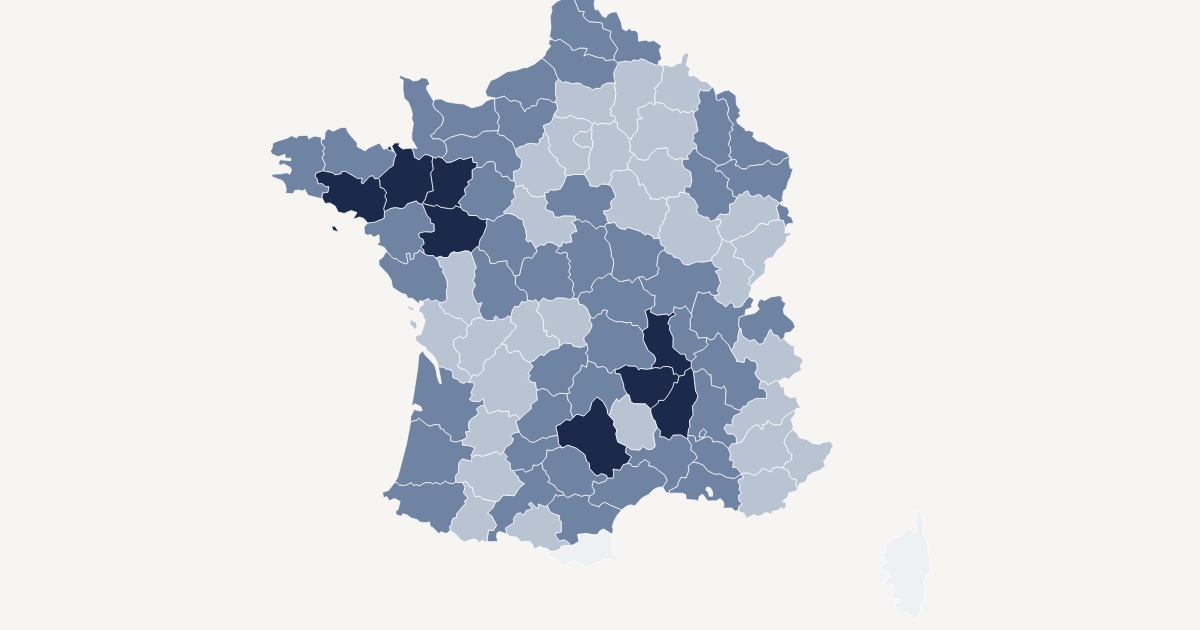 School choice and religiosity in France
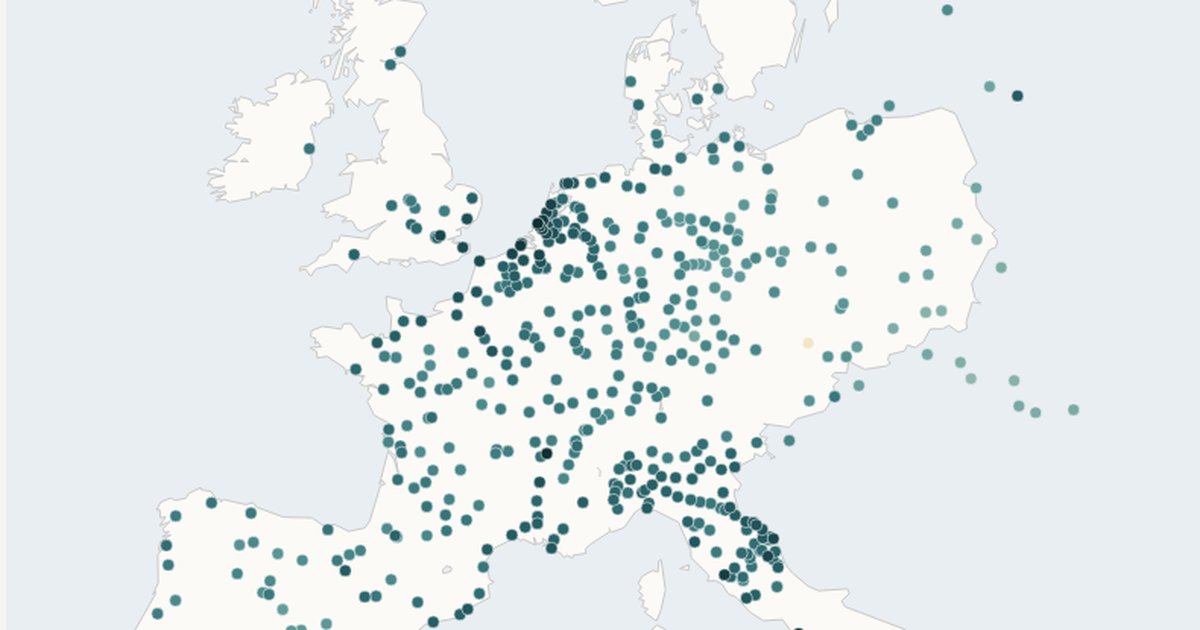 Mapping the market for ideas
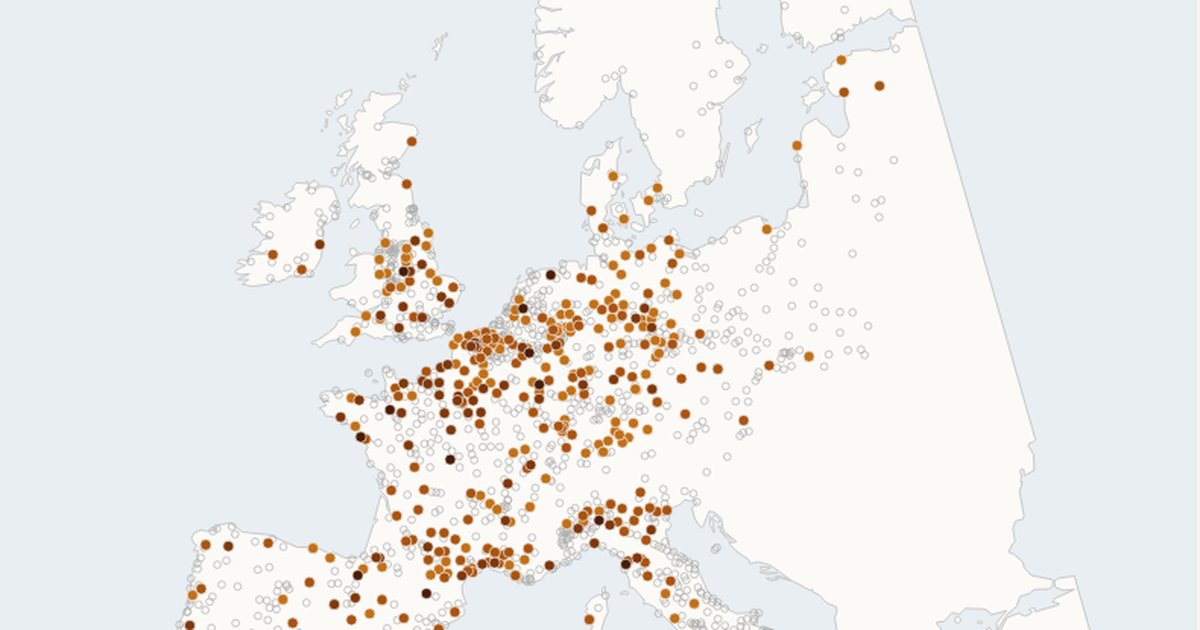 Craft guilds and city growth
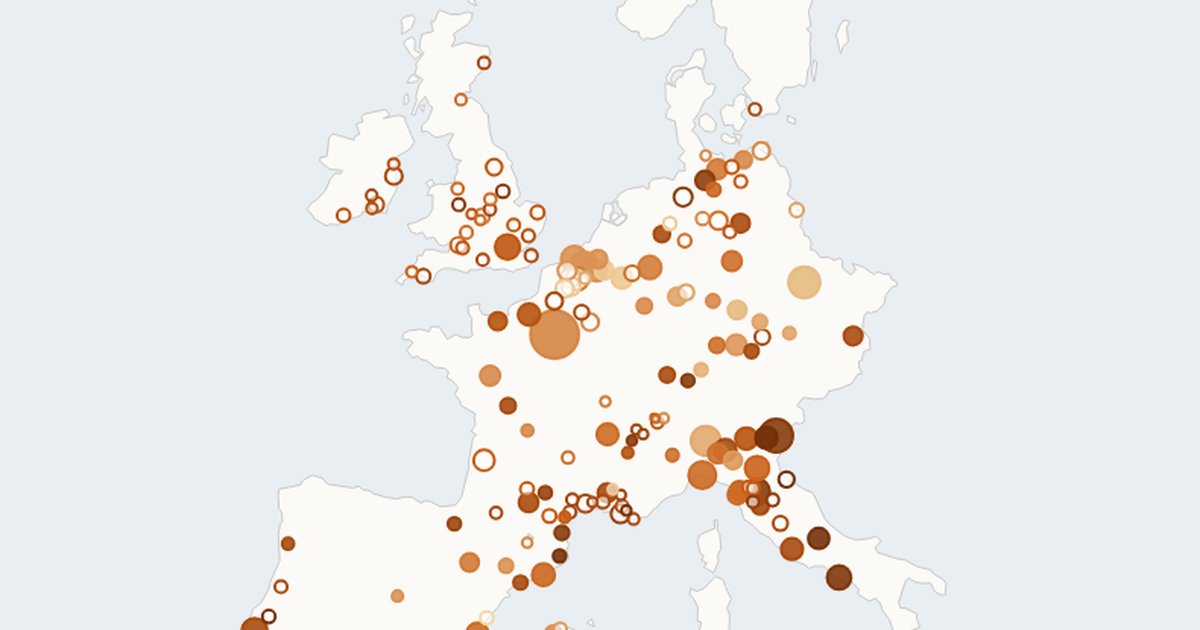 The Black Death and the printing press
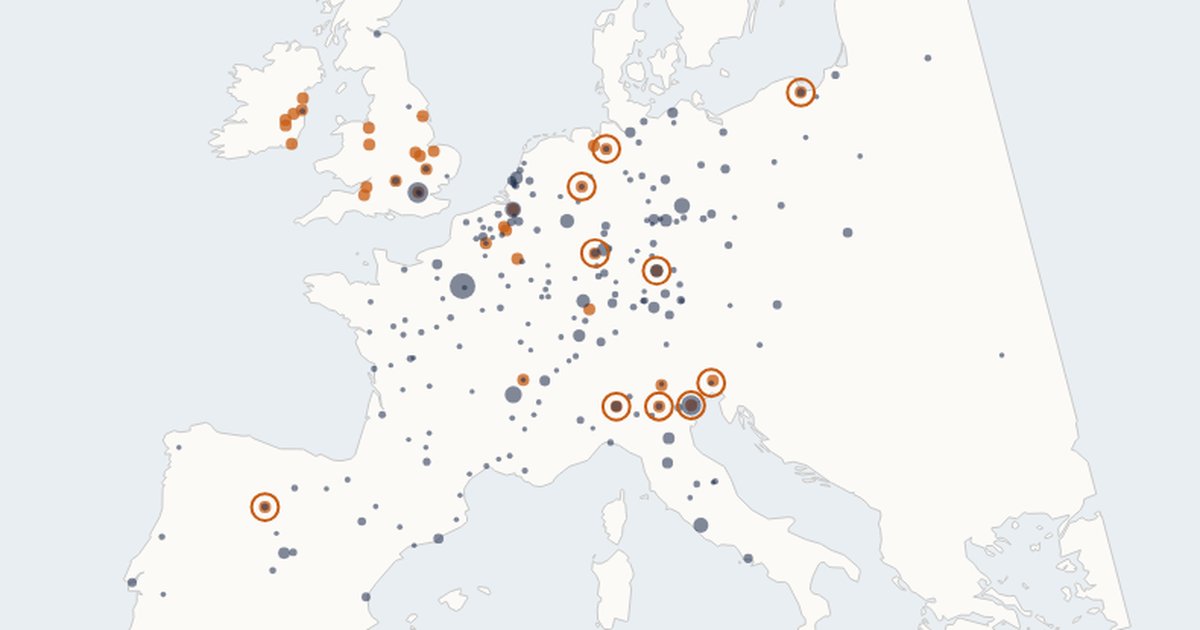 How Do Information Markets Respond to a Crisis?
See all interactive companions →
What’s New?
10-25-2026: Eric Wilhelm and I have a new paper. It is "Selection in the Institutional Record: Evidence from Craft Guilds and City Growth in Europe, 1000–1800". Studies of institutions often date a treatment by its first surviving record. The places that adopt an institution are not a random draw. In a panel of 1,754 European cities the cities whose guilds are first documented had been twice the size of other cities for four centuries before the record. That selection accounts for most of the gap between cross-city estimates of the guild premium near 100 percent and within-city and matched estimates near 14 percent. The paper has an interactive companion.
10-17-2026: I have built interactive companions to five of my working papers. Each one walks through a paper with figures you can move and data you can explore. They cover craft guilds and city growth, how information markets respond to a crisis, the market for ideas in early modern Europe, the Great Revolt and vaccine hesitancy in colonial India, and the Black Death and the printing press.
9-16-2026: I joined the Silk Road Revival podcast for a wide ranging conversation. You can watch it here. We talked about how I came to economic history in the first place. We also discussed my work with Malik Hussain on "The Great Revolt and its Legacy: Understanding Vaccine Hesitancy in Colonial India" and my work with Alexander Taylor on "Mapping the Market for Ideas in Europe, 1450–1650".
9-15-2026: I have collected my short data essays in one place. Each one runs the data behind a working paper to answer a question the paper itself does not take up. You can expand any of them to read the whole thread.
8-23-2026: I am teaching two courses this Fall. Econ 623 American Economic History and Econ 895 Spatial Techniques in Empirical Economics. Here are the syllabi for American Economic History and Spatial Techniques. I have rewritten the spatial course to teach large language models and AI alongside the methods.
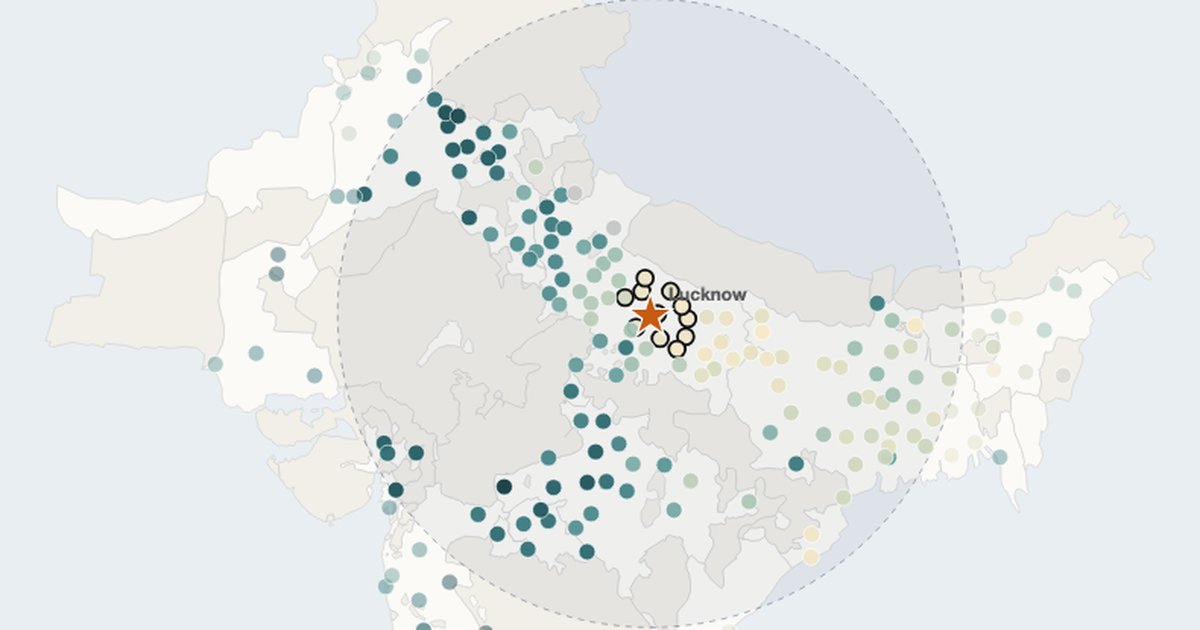
7-5-2026: Malik Hussain and I have a new draft of our paper "The Great Revolt and its Legacy: Understanding Vaccine Hesitancy in Colonial India". We ask whether exposure to colonial violence shaped later engagement with public health in India. We study smallpox vaccination from 1870 to 1919 and the legacy of the 1857 revolt. Districts closer to Lucknow where British retribution was most extensive show lower vaccination uptake in the decades that followed. The decline is strongest right after the revolt and fades across cohorts.
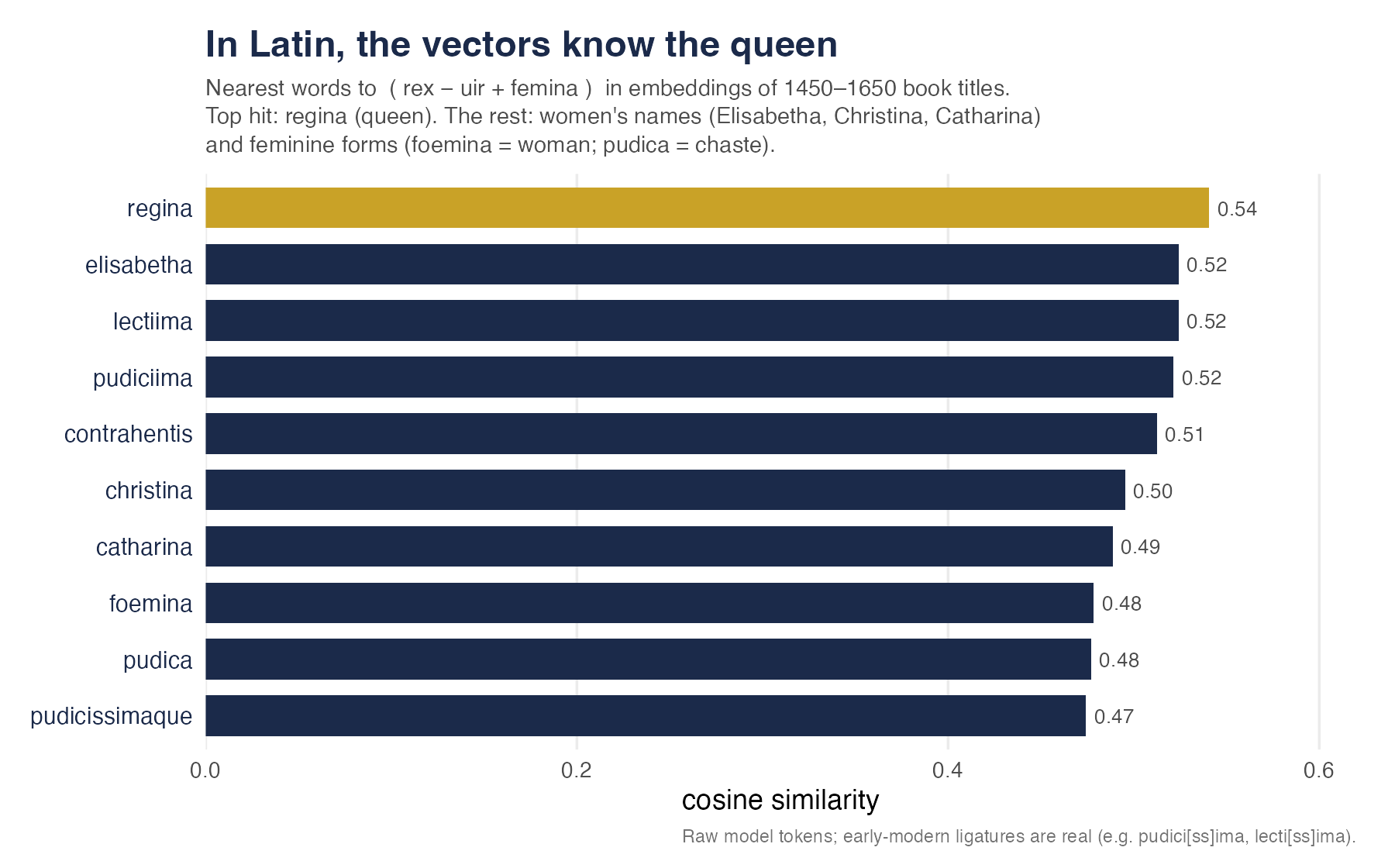
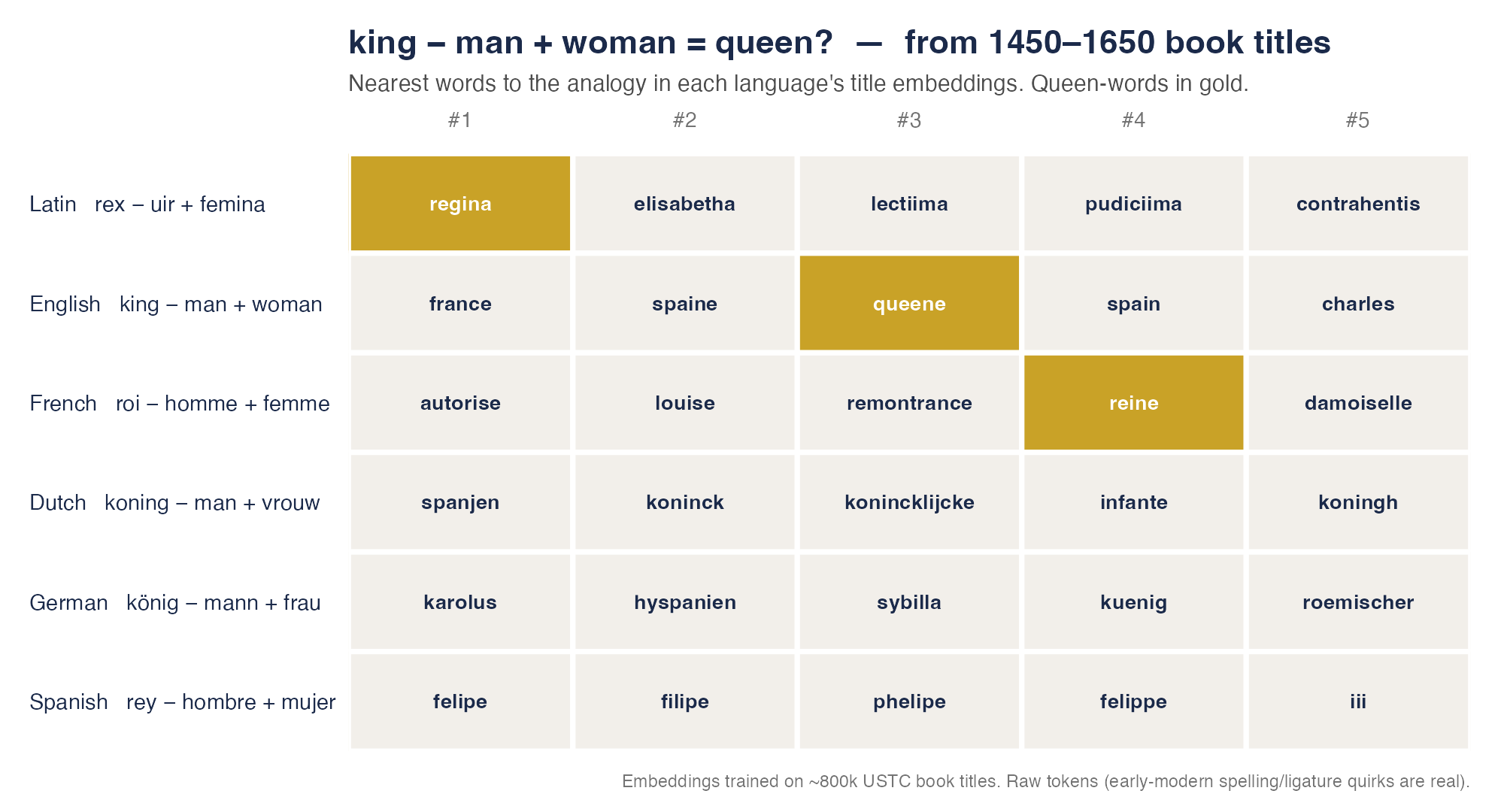
7-2-2026: I posted a thread on X and Bluesky about a fun experiment with my early modern book title data. The most famous party trick in AI takes word vectors and computes king minus man plus woman. You often get queen. I wondered whether the same trick would work using nothing but the titles of books printed in Europe between 1450 and 1650. So I trained word embeddings on about 800,000 early modern book titles across seven languages and ran the analogy in each one. In Latin it is textbook perfect. Rex minus uir plus femina returns regina as the single closest word. Queen also lands near the top in English and French. Where the trick fails is just as revealing. The Spanish corpus is wall to wall royal proclamations so king basically means a specific man named Philip. The market for ideas had structure and the vectors can see it.