Interactive Companions
Each companion walks through one paper with figures you can move. Every number on these pages is computed from data exported by the paper’s replication code and checked against the manuscript. The papers themselves are on the Research page.
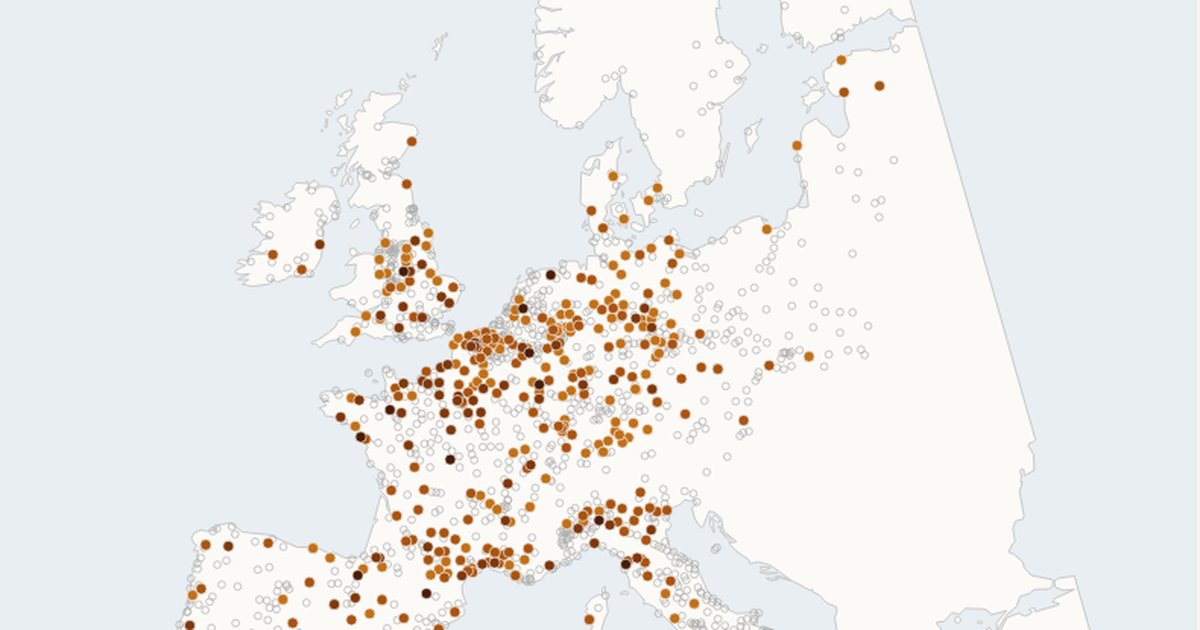
How Selected Is the Institutional Record? Craft Guilds and City Growth in Europe, 1000–1800
With Eric H. Wilhelm. Cities whose guilds are first documented had been about twice the size of their neighbors for four centuries before the record. Within-city and matched designs put the guild premium near 14 percent.
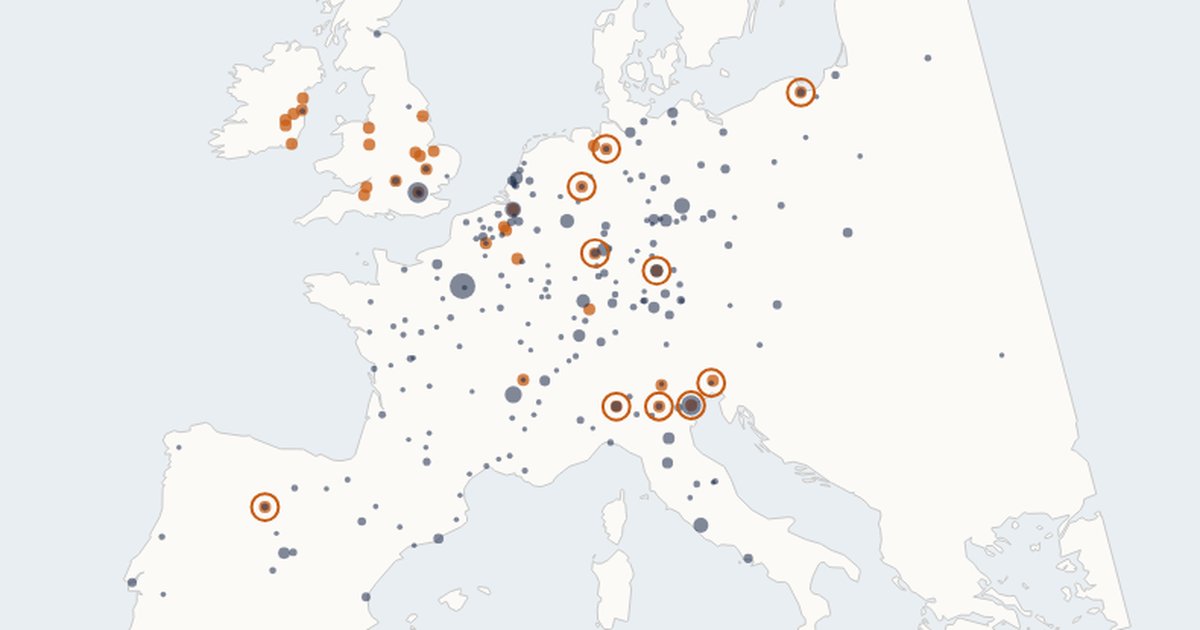
How Do Information Markets Respond to a Crisis? Plague, Print, and Persecution in Early Modern Europe
With Alexander Taylor. When plague returned to a city the medical share of its print nearly doubled in the onset year. Print aimed at Jews and accused witches did not rise and neither did witch trials or persecutions of Jewish communities.
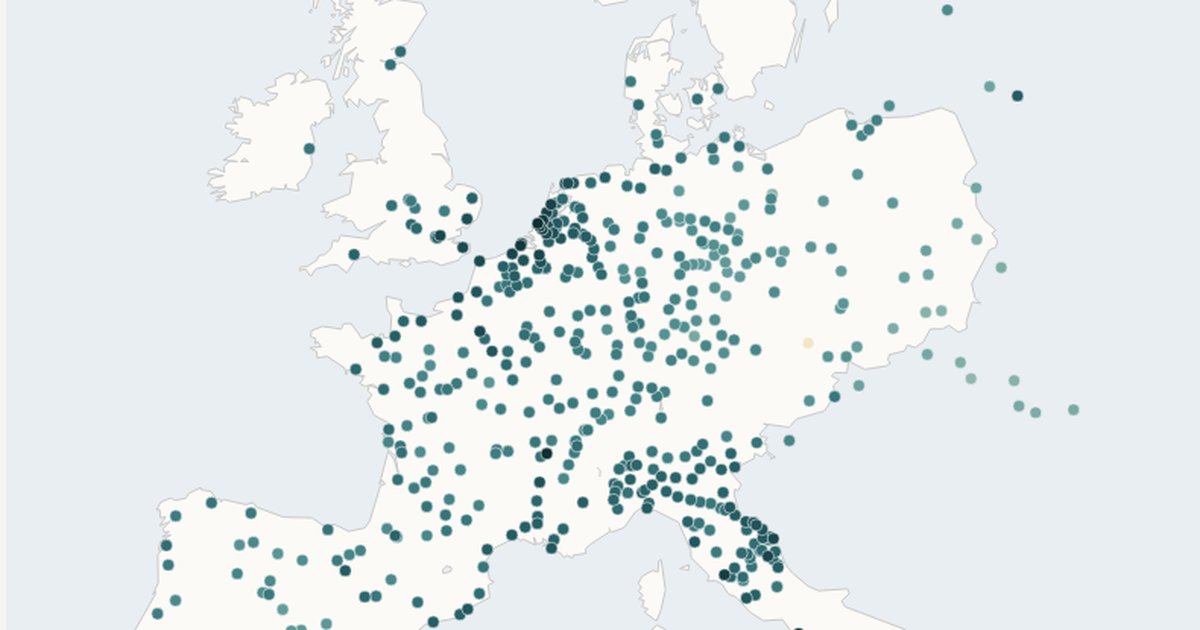
Mapping the Market for Ideas in Europe, 1450–1650
With Alexander Taylor. When a city’s market access rose its print became more diverse and closer to the European mainstream. The share of useful-knowledge titles predicts a city’s growth over the next 50 years.
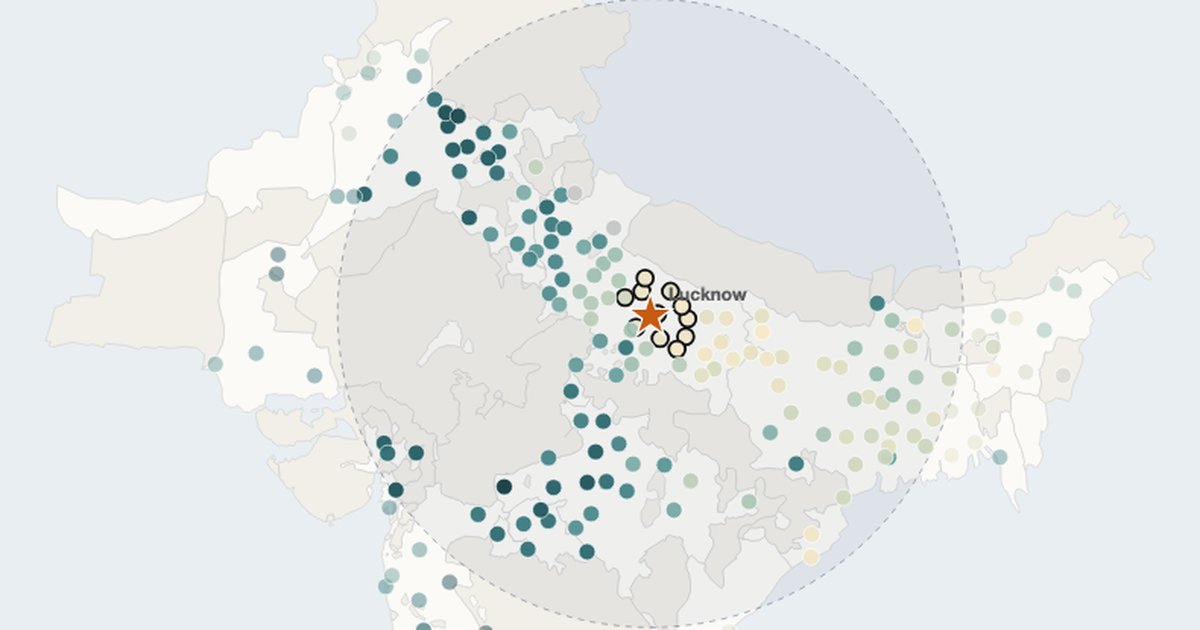
The Great Revolt and its Legacy: Understanding Vaccine Hesitancy in Colonial India
With Malik Altaf Hussain. Districts closer to Lucknow vaccinated fewer infants in the decades after the revolt of 1857. The gap was largest in the 1880s and faded as the generation that lived through 1857 died.
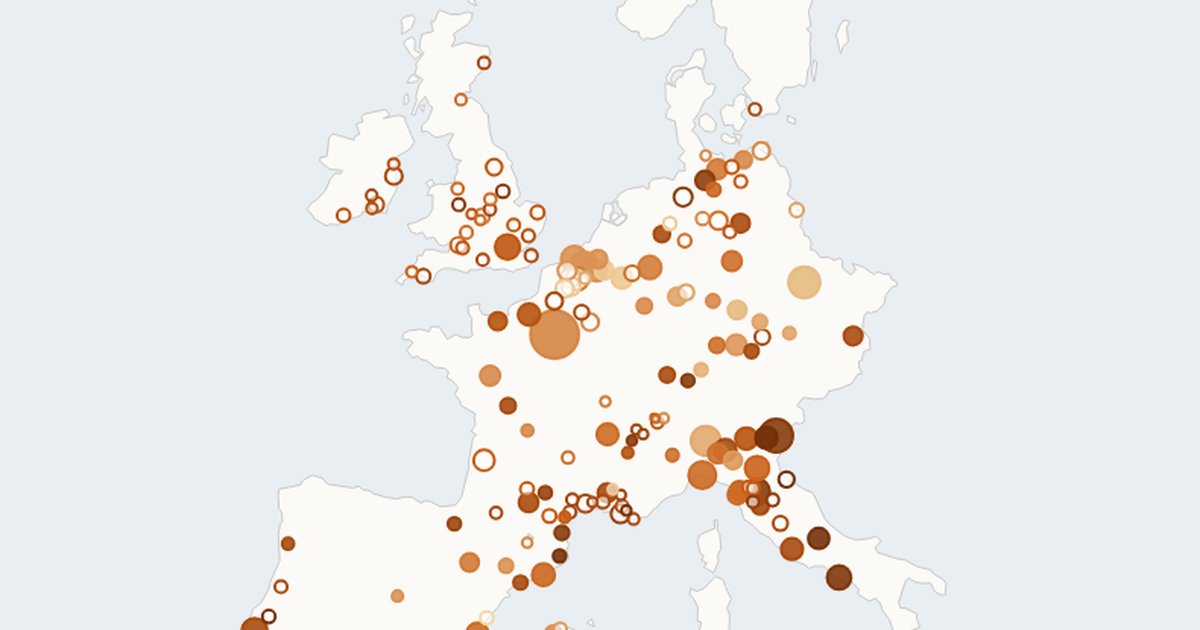
The Impact of the Black Death on the Adoption of the Printing Press
With Alexander Taylor and Andrew Thomas. A city with 10 percent fewer people in 1400 was 3.4 percentage points less likely to have a press by 1500. Plague mortality is the instrument for city size.